Ask any tired educator what is wearing them out and the answer is rarely the classroom. Teaching is the part they signed up for. What wears them down is everything that wraps around it. Reminders. Attendance reconciliation. Question papers. Feedback. Parent updates. Fee chasing. Certificates. None of this is difficult on its own. Together, it is a second job that nobody scheduled.
This is the invisible workload, and it is the silent reason great teachers quit good schools and good educators step away from teaching altogether. Because it is invisible, it gets blamed on time management, motivation or personality. It is none of those things. It is a system problem.
This piece walks through what the invisible workload actually contains, and how Vacademy is built to take it on, automatically, so educators get back to the work they love.
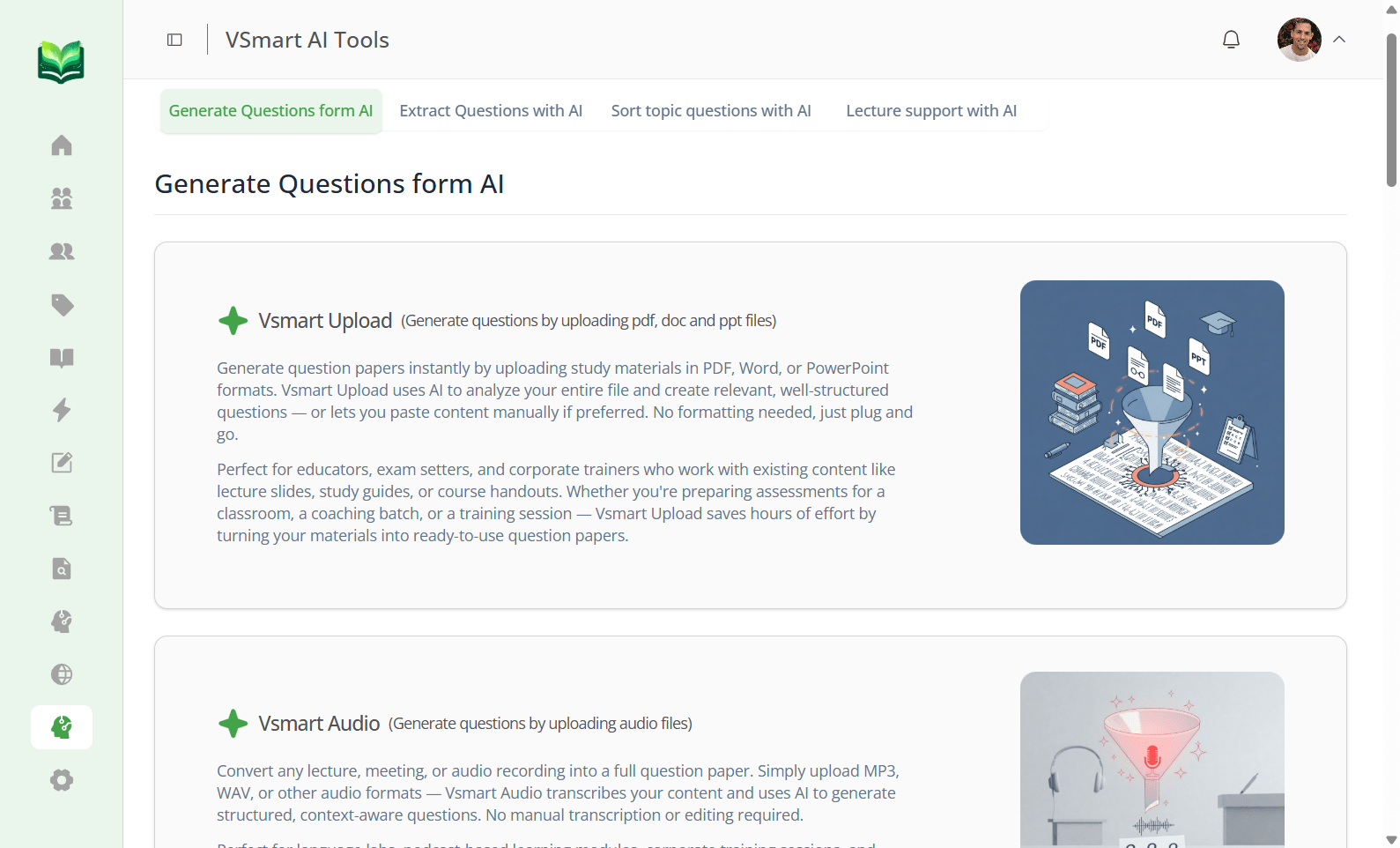
Eight Tasks That Quietly Drain Educator Energy
None of these are in the job description, but every educator does them every week.
Class Reminders
Hidden cost: Sending personal reminders to each batch, chasing absentees, updating schedules. Quietly eats an hour every evening.
Attendance Logging
Hidden cost: Marking attendance from Zoom or Meet exports, reconciling with paper registers, sharing with parents.
Quiz and Question Paper Setting
Hidden cost: Writing, typing and formatting question banks chapter by chapter, often on weekends.
Assessment Feedback
Hidden cost: Hand-writing comments, identifying strong and weak areas, summarising for parents and learners.
Doubt Responses
Hidden cost: Replying to learner doubts on WhatsApp at all hours, often repeating answers across groups.
Parent Communication
Hidden cost: Compiling progress notes, attendance summaries and exam intimations, then sending them one by one.
Fee Reminders and Renewals
Hidden cost: Tracking payments in a spreadsheet, sending polite reminders, renewing memberships, chasing late fees.
Certificates and Reports
Hidden cost: Designing, printing and distributing certificates at term end, then handling reissue requests.
How Many Hours This Actually Adds Up To
A typical week for a busy educator running multiple batches. Most teachers add this up for the first time and are surprised.
| Invisible Task | Typical Time | With Vacademy |
|---|---|---|
| Per-class reminders and attendance | 2 to 3 hours per week | Nearly zero, automated |
| Quiz and question paper setting | 4 to 6 hours per week | 30 to 60 minutes per week |
| Assessment feedback and reports | 3 to 5 hours per week | 30 minutes for human review |
| Parent and learner communication | 3 to 4 hours per week | 1 hour for personal touchpoints |
| Fee and renewal management | 2 to 3 hours per week | Negligible, automated |
| Certificates and admin tasks | Variable, surges at term end | Automated, no surges |
Feedback at Scale Without the Sunday Evening Tax
Hand-writing assessment feedback for a class of fifty is one of the most expensive invisible tasks. Vsmart Feedback turns assessment data into structured insights, strong topics, weak topics, learners who need attention, instantly. The teacher still reviews, but does it in minutes, not an evening.
Why Treating the Invisible Workload Matters
The case for automating invisible work is not productivity. It is retention, well-being and quality.
What Drains Energy Is Repetition, Not Difficulty
Educators rarely burn out from hard teaching. They burn out from the same small tasks done 50 times.
Invisible Work Looks Like Personal Failure
Because nobody sees it, late evenings feel like a personal organisation problem rather than a system problem.
Burnout Punishes Your Best Teachers First
The teachers who care most absorb the most invisible work. They are also the ones most likely to leave.
Automation Is Not a Luxury, It Is a Retention Strategy
Cutting invisible workload is one of the highest leverage moves a leader can make to keep great teachers.
Even Lecture Prep Can Be Halved
Lecture planning is the most respected part of the educator's job, but it eats evenings nobody sees. Vsmart Lecturer drafts a full lecture from a topic, talking points, examples and slides. The teacher refines instead of starting from a blank page, and walks into class prepared in a fraction of the time.
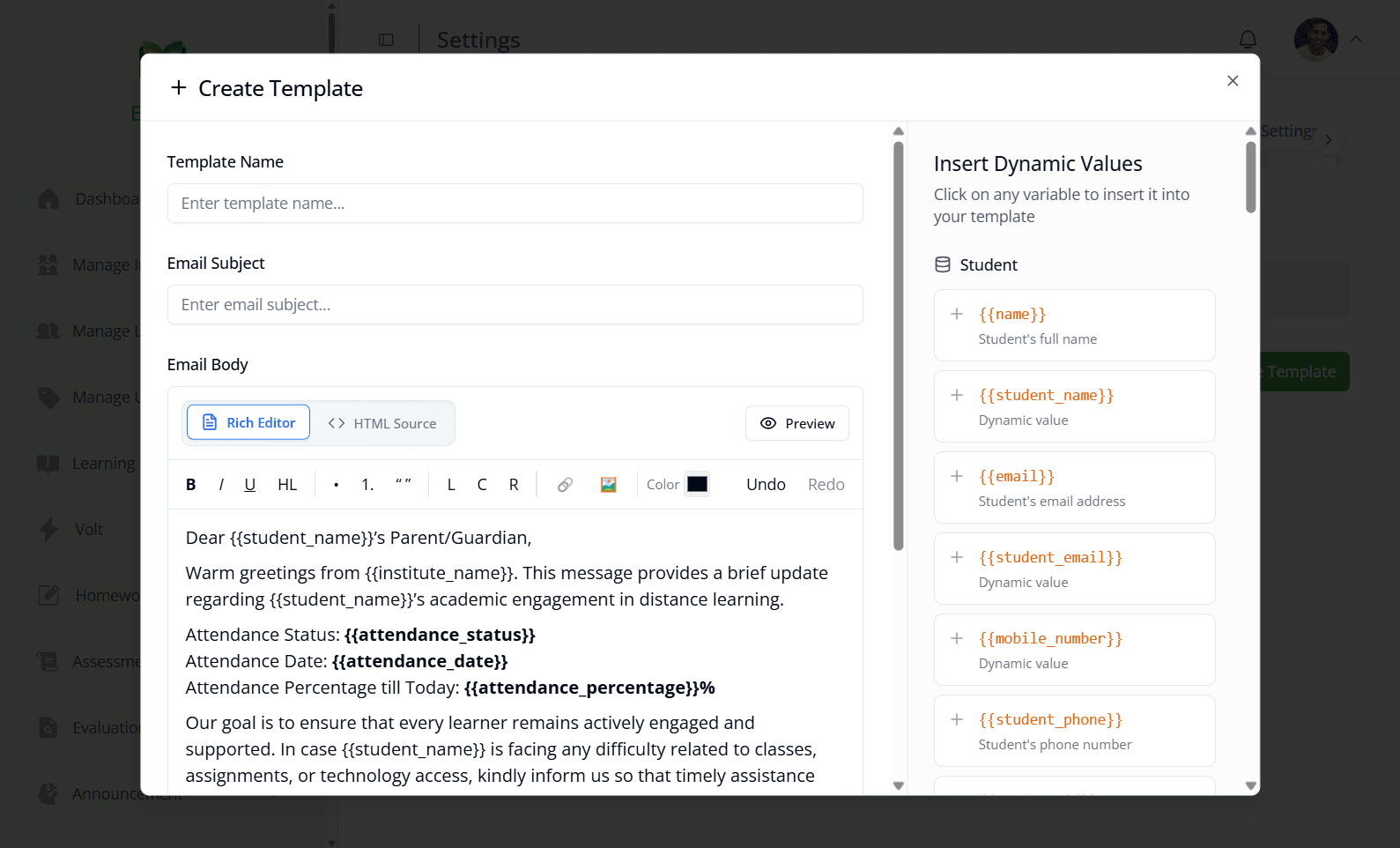
Parent Communication Without the Monday Blues
Sending one polished update to every parent every week sounds simple. Doing it by hand makes it the most-skipped task in many schools. Vacademy's templated email and WhatsApp updates run on automation, with personalised content per learner.
A Playbook to Cut Invisible Workload in Half This Term
- List every weekly invisible task and estimate hours, just doing this is eye-opening.
- Move reminders, attendance and parent updates onto Vacademy's automation engine first.
- Use Vsmart Topics for quiz creation and Vsmart Feedback for post-assessment summaries.
- Use Vsmart Lecturer for first drafts of every lecture plan.
- Move fees, renewals and certificates onto Vacademy's payment and certificate modules.
- Review hours saved after one month and reinvest them in teaching, mentoring or rest.
Give Your Teachers Their Evenings Back
Walk through your team's weekly invisible workload with the Vacademy team. We will help you map a realistic automation plan that protects teaching time and retains your best teachers.
Frequently Asked Questions
Is invisible workload really that big a deal?
It is the most under-counted cost in education today. When teachers track their actual hours, they almost always find that 10 to 20 hours a week go into invisible tasks. That is a second job, and it is the strongest predictor of burnout.
Will automating these tasks make teaching feel less personal?
Done well, the opposite happens. Automation handles the repetitive parts so teachers have more time and energy for the human parts, conversations, mentoring, encouragement. Personalisation actually goes up.
How long does it take to see hours back?
Most teachers report immediate relief on reminders, attendance and parent updates within the first two weeks. Deeper savings on quizzes, lecture planning and feedback show up within the first cohort.
What about teachers who do not trust automation?
Vacademy's automation is configurable. Teachers can keep human review on whatever they want, while the platform handles the repetitive parts. Trust builds as the time saved becomes visible week by week.
Is this only relevant for large schools?
No, the opposite. Solo educators and small academies feel invisible workload hardest because there is no one to share it with. The lift from automation is biggest for them.